My stance
Experience earns the right to be critical.
Borrow from Data Vault without building one
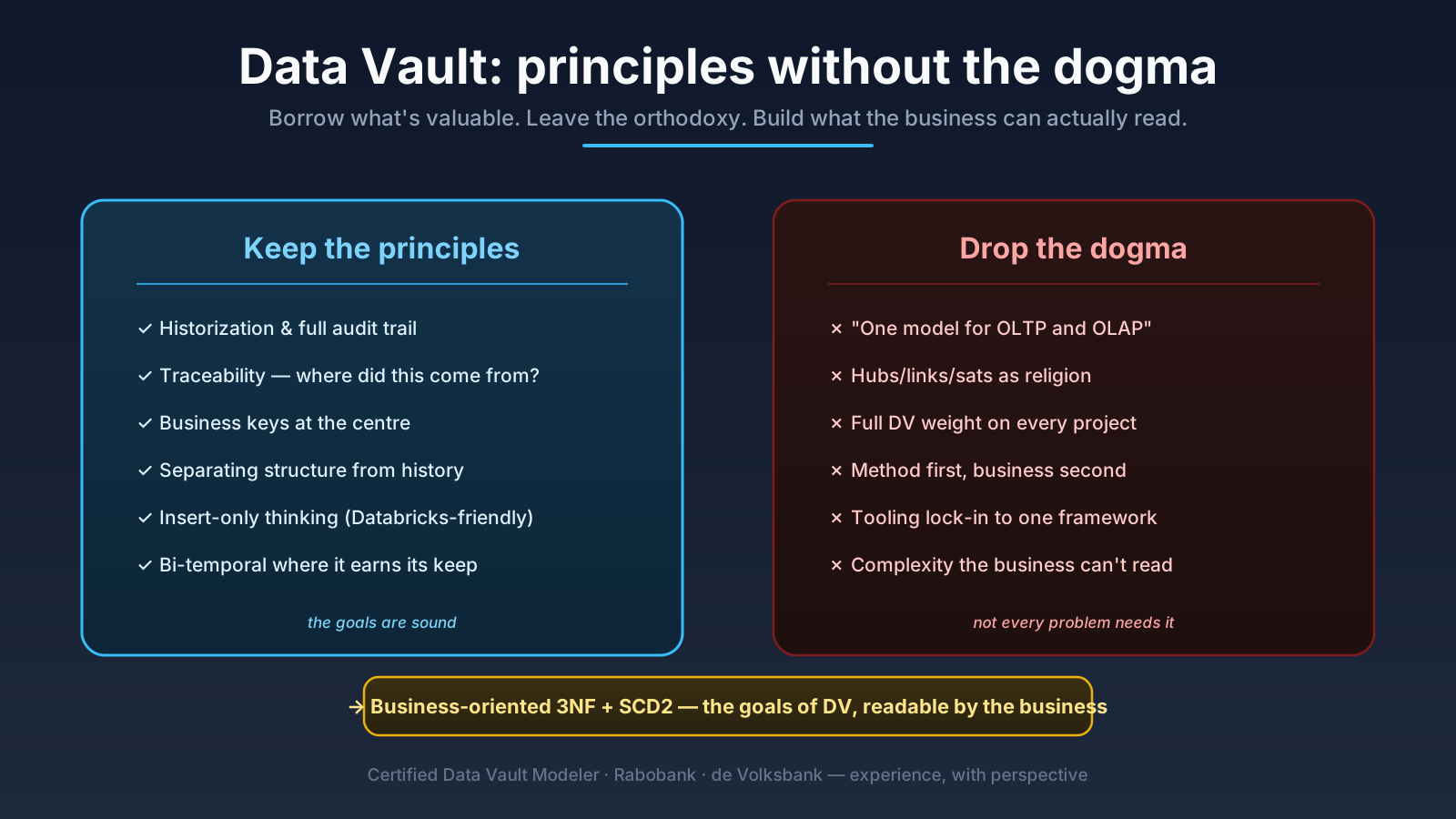
Take Data Vault’s best practices — historization, traceability, separating keys from change — but you don’t need the full architecture to get them. For many organisations, business-oriented 3NF with bi-temporal SCD2 reaches the same goals with far less to explain.
“One model for OLTP and OLAP” is a myth — and that’s okay
Data Vault’s promise of a single universal model rarely holds in practice. Better to accept it and design honestly: an integration layer that’s auditable, plus analytics layers shaped for their job. Honesty beats a universal model that fights you.
Not every problem needs the full weight
Lighter patterns (like Hook) are sometimes the business-friendlier fit; full Data Vault is sometimes exactly right. The skill is reading the context and choosing — not applying one method as religion.
A controlled, metadata-driven migration path
For teams stuck under Data Vault complexity, there’s a controlled route out: migrate from Data Vault to bi-temporal 3NF, model-first, with the metadata driving the lifecycle. Simpler, faster, and still fully historized.