The ideas behind it
What makes my approach different.
Reverse-engineer SQL into functional blocks — not code
I don’t capture “how the query works” line by line. I capture what it does — pivot, normalize, union, aggregate — as functional metadata blocks. That abstraction is what survives a platform change; the syntax doesn’t.
CTE-by-CTE regression testing
Comparing only the final output tells you that something differs across thousands of rows. Comparing the query step by step — each CTE before and after — tells you which transformation introduced it. Root cause found, not just symptom. Migration debugging, roughly 10× faster.
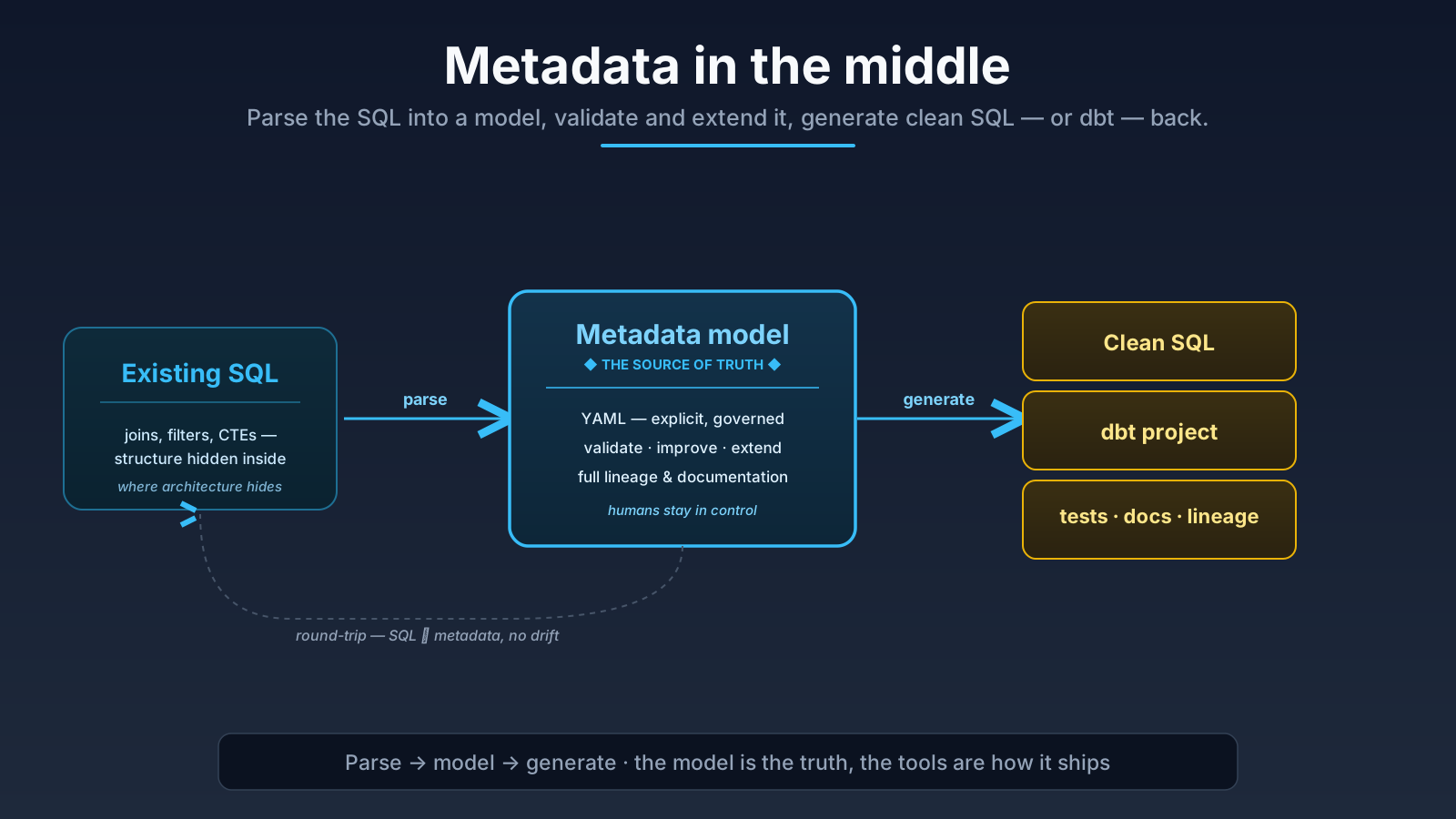
Metadata in the middle → generate any target
Once the logic lives as metadata, the new platform’s SQL is just one output. The same model can generate a dbt project, tests, lineage and documentation. Tool-agnostic by design — you’re never locked to where you landed.
AI that’s grounded in the model, not guessing
AI accelerates migration only when it has a structured foundation to work against. Parsed metadata gives the model something true to reason over, so it transforms SQL into explainable logic instead of a confident guess.